Spending More on Privacy Might Be Costing You Your Security
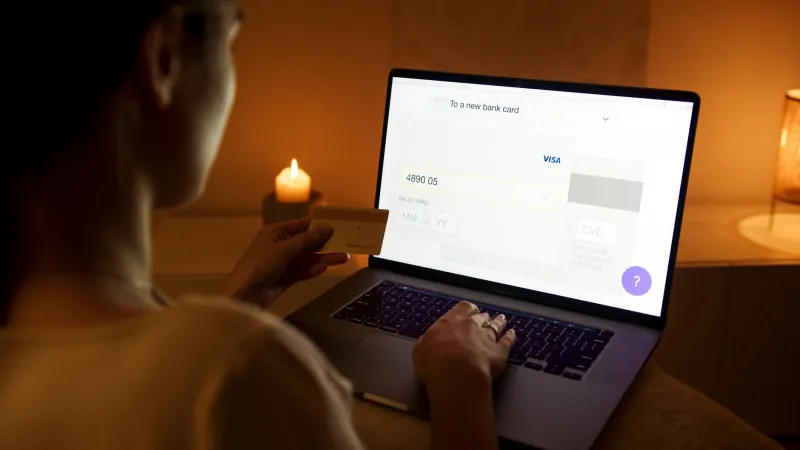
There's something psychologically satisfying about paying for protection. You hand over your credit card, get a confirmation email, and suddenly feel like you've done your part. Your digital life is locked down. You're one of the responsible ones.
Except — not quite.
The uncomfortable truth about premium VPN services is that the price tag doesn't come with a guarantee of safer behavior. In fact, for a lot of users, paying for a VPN subscription quietly introduces a new kind of vulnerability that no marketing page will ever mention: complacency.
The Subscription Mindset Trap
When something is free, you stay skeptical. You read the fine print. You wonder what the catch is. That healthy skepticism keeps you on your toes.
But the moment money changes hands, the brain does something interesting — it assumes the transaction solved the problem. Researchers have documented this phenomenon across industries, from gym memberships to insurance policies. People who pay for protection tend to feel more protected, regardless of whether they actually are more protected.
VPN users are not immune to this. A person running a free VPN knows they're working with a baseline tool. They're more likely to stay curious, layer in other privacy habits, and keep questioning whether they're truly covered. A premium subscriber, on the other hand, has already made the investment. The mental checkbox is ticked. The app is installed. Job done.
That's where the trouble starts.
What You're Actually Buying
Let's be honest about what premium VPN plans actually deliver versus what they're marketed to deliver.
The legitimate benefits of a paid VPN over a basic free one are real but specific: faster server speeds, more server locations, higher data limits, and more consistent uptime. Some premium providers also offer stronger audit histories and more transparent no-log policies — genuinely important features worth paying for.
What premium pricing doesn't buy you:
- Protection from phishing attacks
- Defense against malware you download yourself
- Security on accounts with weak or reused passwords
- Privacy from platforms where you're voluntarily logged in
- Any kind of shield against your own behavior
That last point is the one that gets people. A VPN, premium or free, routes your traffic through an encrypted tunnel. It masks your IP address and makes it harder for third parties to intercept your data in transit. It does not make you invisible. It does not make you invincible. And it absolutely does not compensate for risky decisions made on the other side of that tunnel.
The Features That Sound Good but Don't Move the Needle
Premium providers are skilled marketers. They have to be — they're asking you to pay monthly for something that's invisible and whose benefits are hard to verify. So they lean hard on feature lists designed to impress rather than inform.
"Military-grade encryption" is a classic. AES-256 encryption is genuinely strong, but it's also standard across free and paid services alike. Calling it military-grade is technically defensible and practically meaningless as a differentiator.
"Thousands of servers in 90+ countries" sounds expansive. But for most everyday users in the US, you're connecting to a handful of servers near your actual location. The global footprint rarely matters to your personal security profile.
"Built-in ad blocker" and "malware scanner" features are increasingly common premium upsells. These aren't bad to have, but they're not substitutes for dedicated security tools, and they create a false impression of comprehensive coverage.
"No-log policy" is genuinely important — but it requires independent auditing to mean anything. Many premium providers claim it. Far fewer have had that claim verified by a credible third party. Ironically, some free providers have actually been more transparent on this front because their business model depends on user trust rather than subscription revenue.
When Premium Users Take Bigger Risks
Here's a pattern that plays out constantly: someone signs up for a premium VPN after a news story about data breaches or surveillance. They feel protected. And because they feel protected, they start doing things they might have hesitated to do before.
They use public WiFi more freely. They click links in emails they'd normally scrutinize. They reuse passwords because hey, their traffic is encrypted anyway. They stay logged into Google or Facebook while browsing, effectively handing their identity to the very platforms their VPN was supposed to obscure them from.
The VPN becomes a security blanket rather than a security tool. And security blankets, as comforting as they are, don't stop actual threats.
The Free Option Isn't Always the Reckless One
This isn't an argument that free VPNs are better than paid ones across the board. Some free VPNs are genuinely problematic — logging user data, injecting ads, or selling bandwidth. If you're using a free service, knowing which ones are trustworthy matters enormously. (We've covered that in depth elsewhere on this site.)
But the point stands: a thoughtful user running a reputable free VPN alongside strong password hygiene, two-factor authentication, and a healthy skepticism about where they click is far more secure than a careless user paying $12.99 a month for a premium plan they treat as a magic shield.
The tool is only as effective as the habits surrounding it.
What Actually Moves the Needle on Security
If you want to get real about your online safety — whether you're on a free plan or a premium one — these are the things that actually matter:
Two-factor authentication. On every account that offers it. This single step blocks the vast majority of account takeover attempts.
Unique passwords. A password manager (free options exist) makes this manageable. Reusing passwords across accounts is one of the most common ways people get compromised.
Skepticism about links. Phishing is still the number one delivery mechanism for malware. No VPN catches a bad link you clicked willingly.
Logging out of accounts. If you're signed into Google while browsing, Google sees your browsing. Your VPN's IP masking doesn't change that.
Staying updated. Unpatched software is an open door. Keep your OS, browser, and apps current.
None of these cost $12.99 a month. Most of them are free. And collectively, they do more for your actual security posture than any subscription tier.
The Real Question to Ask
Before you renew that premium plan — or before you upgrade from free to paid — ask yourself honestly: has paying for this service changed how carefully you behave online? Or has it given you permission to be a little less careful?
If it's the latter, the premium price isn't protecting you. It's charging you for a false sense of security that might be leaving you more exposed than you were before you paid.
Privacy isn't a product you can buy and forget. It's a practice. And no subscription in the world changes that.