'I Have Nothing to Hide' Is the Most Dangerous Thing You Can Say Online

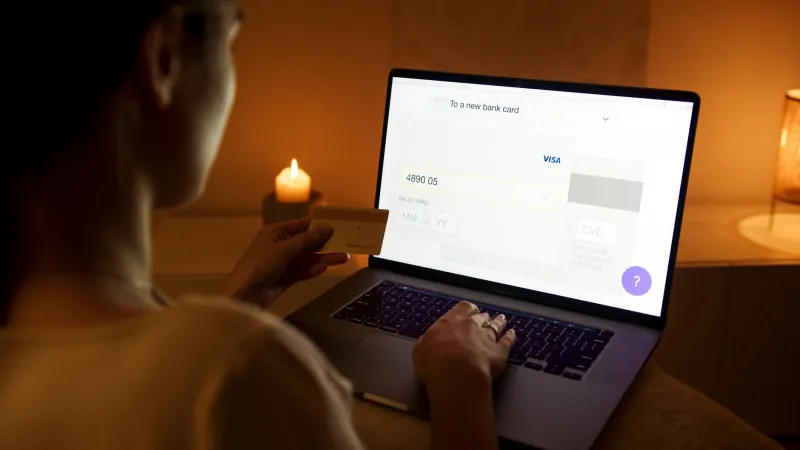
Photo: person ignoring privacy warning on laptop open public space, via www.clipartbest.com
You've heard it at every dinner table, in every comment section, and probably from at least one coworker who thinks cybersecurity is for paranoid people with tinfoil hats. "I don't care about privacy — I've got nothing to hide."
It's one of the most common things Americans say about their online lives. It's also one of the most dangerous.
The irony is brutal: the people who care the least about protecting their personal data are routinely the ones who end up paying the highest price for that indifference. Not because they're doing anything wrong, but because they've essentially left the front door wide open and told everyone on the street about it.
The Psychology Behind 'Nothing to Hide'
First, let's be fair. The sentiment comes from a reasonable place. Most people associate privacy tools — VPNs, encrypted messaging, browser hardening — with criminals, whistleblowers, or people with something sketchy going on. If you're just streaming Netflix and texting your mom, why would any of that apply to you?
This thinking has a name in behavioral research: the optimism bias. Studies from Carnegie Mellon's CyLab Security and Privacy Institute have consistently found that people dramatically underestimate their personal risk of being victimized by cybercrime, even when they acknowledge that cybercrime is a widespread problem. In other words, people believe bad things happen — just not to them.
Combine that with what researchers call privacy fatigue — the overwhelming sense that there's too much to manage, so why bother — and you get a huge portion of the American internet-using population that has essentially opted out of self-protection.
According to a 2023 Pew Research survey, roughly 57% of U.S. adults say they don't understand what companies do with their data. Yet a significant chunk of those same people report they've taken no steps to limit that data collection. Confusion plus resignation equals vulnerability.
What 'Nothing to Hide' Users Are Actually Exposing
Here's where the paradox gets sharp. The people who dismiss privacy concerns aren't hiding anything — but they're also not hiding anything. And that's a treasure chest for anyone looking to exploit them.
Let's break down what's typically sitting in the open for someone who never thinks about digital privacy:
- Full name, age, and home address — available through data brokers like Spokeo, Whitepages, and BeenVerified, most of which aggregate public records and purchase commercial data.
- Shopping habits and financial behavior — leaked through loyalty apps, store cards, and browser cookies that follow you across the web.
- Health and location patterns — harvested by free apps that request more permissions than they need and sell the data to third parties.
- Social connections and relationship status — publicly visible on social platforms that most people never fully lock down.
None of this requires someone to be doing anything illegal or even remotely interesting. The data exists because people signed up for a free app, used their real email address, or didn't read a terms of service agreement. Which is basically everyone.
How Scammers Weaponize Indifference
Cybercriminals don't need you to be interesting. They need you to be accessible.
The FBI's Internet Crime Complaint Center (IC3) reported that Americans lost over $12.5 billion to internet crime in 2023 — a record high. A significant portion of those losses came from phishing scams, business email compromise, and identity theft. And who gets targeted most? Not high-profile executives or tech-savvy users with elaborate digital footprints. Regular people. People who reuse passwords because they "have nothing worth protecting." People who click email links because they didn't know to look for spoofed domains.
Fraud investigators have noted a consistent pattern: victims of identity theft and targeted scams are disproportionately people who never took basic precautions. Not because those precautions would have made them invincible, but because scammers — like most predators — go after the path of least resistance.
Think about it from the attacker's perspective. If you're running a phishing campaign or trying to crack accounts for financial fraud, are you going to spend time on someone with two-factor authentication, a VPN masking their browsing habits, and unique passwords per account? Or are you going to work through the list of people whose email addresses, passwords, and security questions were all exposed in the same data breach — and who probably haven't changed anything since?
The Hidden Costs Nobody Talks About
Even if someone never gets directly scammed, the 'nothing to hide' lifestyle carries real financial costs that are almost invisible.
Dynamic pricing is one example. Airlines, hotels, and e-commerce platforms have long used browsing data to adjust what they charge different users. Your shopping history, location, and device type can influence the price you see. Privacy tools that limit tracking can, in some cases, literally save you money.
Insurance discrimination is another. Health and auto insurers in the U.S. have come under scrutiny for using data purchased from third-party brokers to adjust rates. Your fitness app data, your driving behavior tracked through a "free" app, your prescription history — it's all potentially in play.
And then there's the emotional cost of targeted manipulation. Social media platforms and advertisers use behavioral profiles to serve content designed to trigger specific responses — anxiety, urgency, desire. People who opt out of data tracking don't just get fewer ads. They get less psychological manipulation baked into their daily scroll.
'But I Already Got Breached and Nothing Happened'
This is the other common response. Many people have been through a data breach notification — maybe from their bank, their healthcare provider, or a retailer — and nothing immediately terrible happened. So they conclude the risk is overstated.
What they don't realize is that stolen data rarely gets used immediately. Cybercriminals often sit on breach data for months or years, waiting for the right opportunity, aggregating it with data from other breaches, and building detailed profiles over time. The identity theft that shows up in 2025 might trace back to a breach from 2021 that you barely remember.
The Federal Trade Commission estimates that identity theft victims spend an average of 200 hours resolving the aftermath — dealing with banks, credit bureaus, and government agencies. That's five full work weeks of your time, on top of any direct financial loss.
What Actually Changes When You Start Caring
You don't need to become a privacy extremist to reduce your exposure significantly. Small, consistent habits compound into meaningful protection.
Using a reliable VPN — even a free one from a trustworthy provider — masks your browsing activity from your ISP and makes behavioral tracking significantly harder. Enabling two-factor authentication on financial accounts closes off one of the most common attack vectors. Reviewing app permissions once a year cuts down on the quiet data harvesting that most people never notice.
None of this requires anything to hide. It just requires recognizing that your data has value — even when it feels completely ordinary — and that the people who want it aren't always going to ask nicely.
The privacy paradox isn't that private people get targeted. It's that the people who think they're invisible are often the most visible of all.